
mirrors without frames
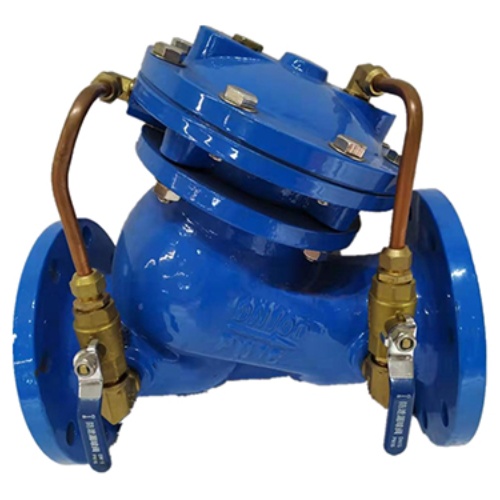
Understanding Piston Type Check Valves Piston type check valves are essential components in various fluid control systems, designed to maintain the flow direction of liquids and gases. These valves operate based on the principle of preventing backflow, ensuring that fluids move efficiently and safely within pipelines and machinery. This article delves into the design, functionality, applications, and advantages of piston type check valves. Design and Functionality A piston type check valve consists primarily of a valve body, a piston, and a seating surface. The valve's body is typically constructed from durable materials like brass, stainless steel, or other suitable alloys, which contribute to its longevity and functionality in demanding environments. The piston, which is the moving element within the valve, plays a crucial role in controlling the flow of fluid. When fluid flows in the desired direction, it pushes the piston away from the seating surface, allowing passage. When the flow attempts to reverse, the piston is forced back against the seating surface due to the pressure differential. This action creates a tight seal, preventing backflow and safeguarding the system from potential damage or contamination. The design of the piston also allows for minimal pressure loss, making it an efficient option for numerous applications. Applications Piston type check valves are widely used in various industries, including water treatment, oil and gas, chemical processing, and HVAC systems. In the water treatment sector, these valves prevent the backflow of potentially contaminated water into clean water sources, ensuring safe and reliable water supply systems. In oil and gas operations, they protect pumps and compressors from backpressure, enhancing the safety and efficiency of the processes involved. piston type check valve Additionally, in chemical processing, where stringent regulations apply, piston type check valves ensure that hazardous substances do not flow back into systems, mitigating the risk of accidents and ensuring compliance . Their versatility extends to HVAC systems, where these valves prevent the backflow of refrigerants and maintain consistent airflow throughout the system. Advantages One of the primary advantages of piston type check valves is their ability to operate with minimal pressure drop. This efficiency is essential in maintaining system performance and reducing energy consumption. Additionally, these valves are relatively simple in design, which translates into ease of installation and maintenance. Their robust construction also makes them suitable for high-pressure and high-temperature applications, providing a reliable solution across diverse environments. Moreover, the self-sealing capability of piston type check valves enhances system integrity. By preventing backflow, these valves protect sensitive equipment, prolonging its lifespan and reducing the need for costly repairs. The adaptability of piston type check valves to different configurations and materials further enhances their appeal, allowing engineers to select the best option based on specific operational needs. Conclusion In summary, piston type check valves are crucial for ensuring unidirectional flow in various fluid systems. Their efficient design, wide range of applications, and numerous advantages make them an indispensable component in many industries. By preventing backflow and maintaining pressure integrity, piston type check valves enhance system reliability and safety, contributing to the overall efficiency of fluid control processes. As industries continue to evolve, the importance of robust and reliable check valves remains paramount, ensuring that operations run smoothly and safely.
about
mirrors without frames
Plain ve Block Farklar ve Kullanım Alanları Günümüzde mimarlık ve inşaat sektöründe sıkça karşılaşılan terimlerden biri olan plain ve block, yapı malzemeleri ve teknikleri arasında önemli bir yer tutar. Bu terimler, yapıların tasarımında ve inşaatında kullanılan farklı yapı elemanlarını ifade eder. Bu yazıda, plain ve block arasındaki farkları, avantajlarını ve hangi durumlarda hangi tipin tercih edilmesi gerektiğini inceleyeceğiz. Plain Nedir? Plain terimi, genellikle düz ve basit şekilli, genellikle işlenmemiş malzemeleri ifade eder. Bu tür malzemeler, genellikle daha az işçilik gerektirir ve dolayısıyla daha düşük maliyetli olabilir. Örneğin, düz beton levhalar veya daha az işlenmiş ahşap parçaları, plain kategorisine girebilir. Plain malzemelerin kullanımı, genellikle minimalist tasarımlar ve sade yapılar için idealdir. Düz yüzeyler, zaman zaman modern mimaride tercih edilir çünkü temiz ve basit çizgiler sunar. Ayrıca, bu tür materyallerin bakımı ve onarımı genellikle daha kolaydır. Ancak, placeların görsel cazibesi bazen sınırlı olabilir ve daha fazla estetikk arayan projelerde yeterli olmayabilir. Block Nedir? Block terimi ise genellikle daha büyük, genellikle belirli bir şekil veya boyutta kesilmiş ve işlenmiş yapı elemanlarını ifade eder. Bloklar, tuğla, beton blok veya taş gibi farklı malzemelerden yapılabilir. Bu yapı elemanları, genellikle duvar inşaatında ve temel yapıların oluşturulmasında kullanılır. Block malzemelerin avantajı, daha dayanıklı ve sağlam yapılar oluşturma kapasiteleridir. plain v block Blok yapılar, genellikle daha yüksek yapısal bütünlük sunar. Bu nedenle, özellikle yüksek katlı binalar veya büyük yapılar için tercih edilirler. Ayrıca, blok malzemeler, izolasyon özellikleri nedeniyle enerji verimliliği sağlayabilir. Bu da maliyetleri düşürme ve sürdürülebilir yapı tasarımına katkı sağlama açısından önemlidir. Plain ve Block Arasındaki Farklar Plain ve block arasındaki en belirgin fark, şekil ve işlenme düzeyidir. Plain malzemeler genellikle daha basit ve düz şekillere sahiptir, daha az işlenmiş ve daha düşük maliyetlidir. Diğer yandan, block malzemeler, genellikle belirli bir şekil ve boyutta kesilmiş ve işlenmiş yapısal elemanlardır, bu da onların daha yüksek dayanaklılık ve estetik sunmasına olanak tanır. Kullanım alanları da farklılık gösterir. Plain malzemeler, genellikle dekoratif amaçlarla veya basit yapılar için tercih edilirken, block malzemeler daha karmaşık ve dayanıklı yapılar için idealdir. Bu nedenle, mimarlar ve inşaat mühendisleri, projelerinin gereksinimlerine bağlı olarak hangi tipi kullanacaklarına karar vermekte zorlanabilirler. Sonuç Plain ve block malzemeleri, mimaride farklı ihtiyaçlara ve tasarım anlayışlarına hitap eden önemli yapı elemanlarıdır. Hangi malzemenin kullanılacağı, projenin bütçesi, estetik beklentileri ve teknik gereksinimleri doğrultusunda belirlenmelidir. Hem plain hem de block malzemelerin avantajları ve dezavantajları göz önünde bulundurulduğunda, doğru tercihler yapmak, sağlam, estetik ve sürdürülebilir yapılar oluşturmak için hayati öneme sahiptir.
-

High quality industrial productsagement

High quality industrial products
View Details -

Meet the diverse needs of customers

Meet the diverse needs of customers
View Details -

Strict quality control

Strict quality control
View Details -

Top raw materials

Top raw materials
View Details -

Trusted supplier

Trusted supplier
View Details
Our application

news and information

vandkontrolventil 3 4
Vandprocent Tjekventil 3/4 En Nødvendighed i VVS-Installationer I enhver VVS-installation er der ele
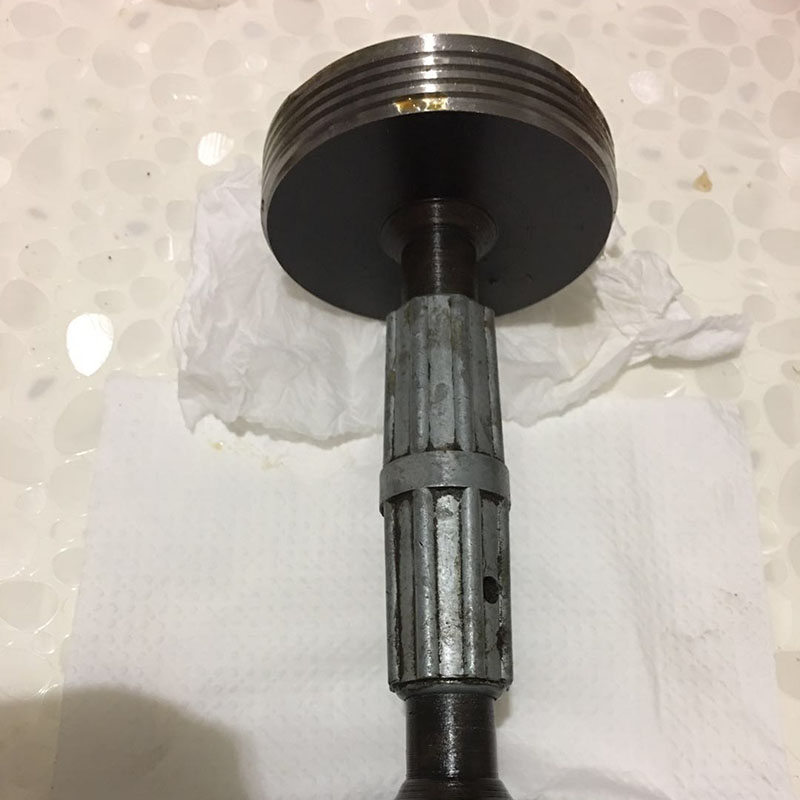
Y Type Water Strainer for Efficient Filtration and Flow Control Solutions
Understanding Y-Type Water Strainers Functionality and Applications Water strainers are essential co
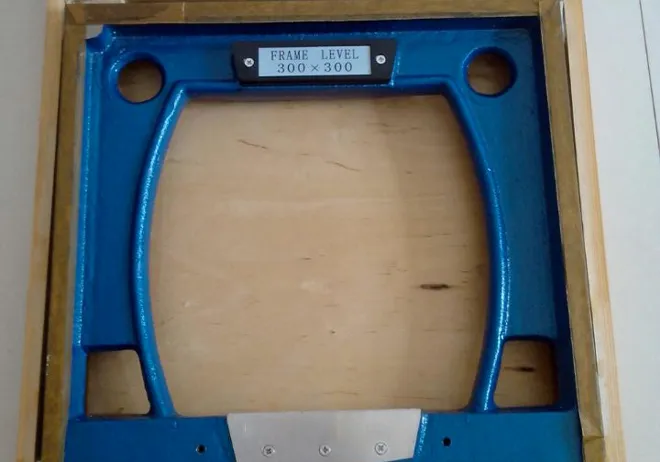
Water Valve Types And Their Delivery Times
Water valves play a crucial role in managing water flow within your home or industrial system. Wheth
 English